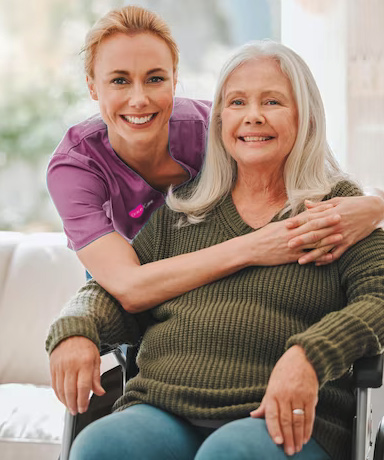
Integration in the community is necessary in the lives of individuals with disabilities, as it combats loneliness and enhances general well-being. For the majority, reduced contact opportunities may lead to loneliness, impact mental health, and hinder individual growth. Interaction in the community, however, has significant benefits, enhances self-esteem, and facilitates lifelong learning. It allows individuals to participate in social activities, discover new interests, learn critical life skills, and supports emotional and physical health. At Grace Care, we see the importance of giving all participants a chance to do these things, ensuring every individual is able to live an enriching and connected life in their own community.
Why Community Engagement Matters
Social isolation is a very difficult condition for the majority of individuals with disabilities, affecting mental well-being, emotional stability, and development. Social engagement, however, offers many benefits:
- Building Social Relationships: Social engagement allows relationships to be built and social support systems developed, combating loneliness and isolation.
- Building Confidence: Community engagement allows individuals to step out of their comfort zones, build self-confidence, and gain confidence in social life.
- Encouraging Lifelong Learning: Participation in community activities, whether volunteering or group events, encourages personal growth, skill development, and a love of learning.
- Encouraging Wellbeing: Positive social contact leads to healthier mental and physical wellbeing, stress reduction, and increased happiness.
How Grace Care Encourages Community Involvement
At Grace Care, we aim to encourage participation in the community as valuable, engaging, and accessible to all participants. Our approach includes:
- Group and Centre-Based Activities: We organize a range of social and recreational activities, from art classes and cookery lessons to sports events and local outings. These events give participants the chance to learn new skills, share experiences, and form enduring friendships.
- Community Outings and Social Activities: Community outings help create relationships beyond the immediate social network. Going to galleries, attending public events, or simply having coffee allows socialization and self-improvement.
- Volunteer Work: Volunteering allows participants to give back to the community while learning essential life skills. It fosters a sense of belonging and strengthens social connections.
Tailored Support for Effective Community Involvement
Every individual is unique, and effective community engagement requires personalized support. Grace Care works with participants to discover their interests, capabilities, and goals, ensuring every activity is enjoyable and suitable. Our support includes:
- Understanding Personal Interests: We focus on each participant’s interests, passions, and dreams to engage them in activities they truly enjoy.
- Adjusting to Physical or Cognitive Requirements: From mobility and communication aids to extra assistance with tasks, we ensure participants feel comfortable and included.
- Fostering Independence: While providing support, we help participants gain confidence and independence in their social lives.
Success Stories of Grace Care
The impact of community integration is best illustrated through the experiences of our participants:
- Sarah’s Story: Sarah, who has a learning disability, initially struggled with socialization. Through group participation and community exposure, she became more confident, formed strong relationships, and now actively participates in community activities. She is even considering volunteering at a local community center.
- John’s Volunteering Experience: Physically disabled John faced limitations in engaging in activities. With adapted support, he began volunteering at a local animal shelter. His interest in animals has given him a sense of purpose, while social interaction with other volunteers has boosted his self-esteem and well-being.
The Long-Term Benefits of Community Engagement
Continuous participation in community activities provides benefits that extend beyond the present. For people with disabilities, community participation can lead to:
- Greater Emotional and Mental Resilience: Social activity builds emotional strength and equips individuals to face life’s challenges.
- Improved Physical Health: Engagement through walks, sports, or leisure activities supports mobility and overall health.
- Enhanced Personal Growth: Ongoing participation ensures personal growth, acquisition of new skills, and discovery of new passions.
Building a Brighter Future Together
At Grace Care, our goal is to foster a community where participants feel empowered, valued, and supported. Community engagement is not just an added service—it is a fundamental philosophy that contributes to overall wellness. Through community involvement, individuals discover meaning, learn essential life skills, and build lasting relationships.
If you or a loved one are seeking a care provider that values community and person-centered care, contact Grace Care. Together, we can build the social connections, self-esteem, and competencies needed to live a fuller, more fulfilling life.