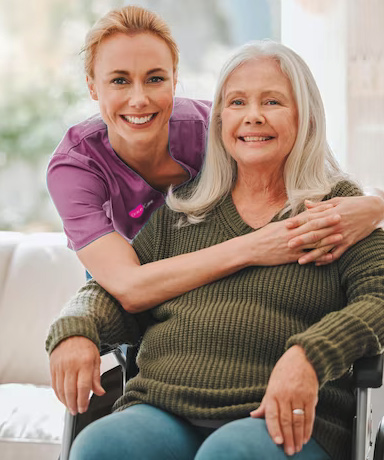
Home care and basic care are at the core of assisting individuals who would prefer to be cared for in their own homes instead of having to move to a nursing home. Such services include providing them with daily personal attention, health checks, and emotional support.
Considering the dynamics of families in today’s era, this particular group still only keeps on growing. More and more families will want home care services that would allow them to care for their loved ones on an individual basis, eliminating the need to subject them to a home care environment. Various types of home care do give clients more convenient and independent lives since this alleviates some pressure off the families and caregivers.
In this blog, we will explore the kinds of services offered under home care and how they are effective and helpful to the respective clients and families. Let us dig deep into some of the services offered under home care.
What Is Home Care?
These are all the services by which an individual can remain in his or her own home. It is for people who are of advanced years, suffering from chronic illnesses, disabled, or who have undergone surgery. Home care is specifically designed to suit the specific needs of a client and most frequently encompasses both medical and non-medical care.
Home care is on a thin line from medical care, and while the two words may be interchangeable at times, each word is different. Home care is assisting an older person in daily activities and keeping them company, while medical care is specialized assistance and is therapy or injections. For example, if we’re an agency for home care: we can help a patient who has difficulty bathing, dressing, or even making meals. Medical patients are managed differently.
Types of Home Care Services
Personal Assistance:
They are centered on providing assistance to patients bedridden to ordinary activities like bathing, dressing, grooming, and toileting.
This is to maintain day-to-day cleanliness and the dignity of the patient.
Companion Care:
Social care support involves providing social presence and interaction to a patient.
This includes soft speech, playing games, or taking gentle excursions in case of a patient’s loneliness.
Medical-Related Care:
This focuses on providing the necessary supervision and wellness reminder to a person to promote after their treatment process.
This involves helping health providers with planning and managing changes in a patient’s state of health.
The Importance of Home Care
For the elderly who desire to remain in their own home rather than going into a nursing home or assisted living facility, it is an excellent procedure. The procedure also has numerous advantages to it:
- Increased Comfort: Recalling and having around your nearly personal things enhances one’s psychological well-being.
- Increased Independence: Having older individuals in control of their own schedules prompts them to maintain themselves.
Hospital readmission reduction
Home care services provide complements to rehabilitation after the patient leaves the hospital. Skilled caregivers’ services allow a patient to be escorted out of the hospital, and supervision and compliance with doctor’s orders at discharge become their responsibility.
- Recovery Amounting: It is noted that levels of stress among patients decrease, and thus stress-free surroundings hasten recovery
- Reduced Hospital Stay Time: Proper treatment and good intervention, if done in timely and regular intervals, reduce the hospital readmission risk.
Providing Peace of Mind for the Relatives
Family members and relatives typically end up being caregivers, and it is a rewarding but demanding task; however, home care services have been established to make it easy for families to overcome this challenge:
- Releasing Family Caregivers’ Stress: Professional caregivers are accomplishing the toughest part of the task, thus freeing family members to have fun and enjoy quality time with the patient.
- Ensuring Professional Attitude: Doors never close, and families never miss out on precious care, thanks to the professionals.
Advantages of the Services Provided Under Essential Care
Home care services are personalized to the client and will develop care plans to attempt to satisfy the needs of that particular client:
Care plans Not conventional but specifically designed to each individual client after evaluation of their health and their wishes.
Patience and time on your side: The awareness of always being cared for out of kindness encourages a trust relationship with the patient.
Improved Living Standards
When home care is provided, and particularly when, in addition to biological, emotional, and social, also bio-psychosocial needs are met, the overall life circumstances are improved:
Physical Health: The mobilization and daily activities are facilitated, avoiding injury or even a fall.
Emotion-Coping: The presence may alleviate the sense of loneliness and improve psychological well-being.
Cost-benefit considerations
Home care is generally less expensive than institutional settings, e.g.
Lower Expense: It ensures that families do not incur any extra amount of money on room and board in the caregivers’ facilities.
Flexible Care: As most of the home care givers offer the basic needs, families have to purchase such care only as and when they want to accommodate it in their budget.
Issues and Considerations
It is not an easy process to find a good home care worker. Some important tips are given below:
- Massive Research: Seek reputable agencies with a good number of clients and reputation.
- Right proof: Caregivers are properly screened and qualified within an agency, make the evidence correct.
Adjustment of Emotions
Emotional reactions towards caregiving assistance can, at times, be very negative.
- Building Trust: Make the caregiver and the voluntary subject agree on what will be the basis for them to always be able to enjoy positive working relationships.
- Providing Support: Ask friends and members of the family to do things that make them feel loved and needed.
Independence with Support
When helping, you should be in a position to offer the appropriate amount of support that will still enable the person to be independent to some extent:
Empowering Choices: Give individuals control over their own agenda and activities.
Customized Support: Support only required to promote independence.
Frequently Asked Questions
What services are included under home care?
Personal care, all non-medical care including escort and companionship, and other health-related work like reminding you to take medicine and looking after your health are all areas that fall under the roof of home care services.
Why should I trust a home care provider Atlanta?
Make sure you conduct the right interviews, be sure to research agencies and check their credentials. That will do a long way in making sure that the provider is appropriate for your needs.
Is home care just for the elderly?
Home care entails working with people of different ages such as those who are ailing, disabled or convalescing from a sickness so it is not specifically for the elderly.
Are these types of caregivers trained to handle medical needs?
Some home care agencies can provide simple medical care such as reminding patients to take medication when they ought to.
How is home care cost appeal to a nursing home?
Since the family only pays for home care services that they need for loved ones using this method is usually cheaper.
What are the elements that a family may prefer not to go through with a home care plan?
There should be an overall plan made in accordance with one’s self care needs, wants and full health implications for one.
Will home care services be paid for by insurance?
Home care services from nurse aid to personal care for elderly individuals are all covered under different types of insurances such as medicare, medicaid etc. It would be advisable to check whether the services you are intending to provide are covered by the other provider before agreeing on details with you.
Let us assume that my loved one was uncomfortable with the presence of a caregiver? How can I address the issue?
Slowly introduce the caregiver to your loved one, emphasize communication and taking advice and let them select their caregiver.
How are caregivers professionally certified?
Professional caregivers give first aid, personal care services and the management of chronic diseases.
Is there help either at home or within a community for the disabled?
Home care is specially arranged for physically or development disabled and thus, yes, there is help.
Final remark
We would like to emphasize that home and basic care services benefit people, families, and communities, and they should not be thought of as an optional extra on top of health services. With its specialist, individualized, and caring nature, it allows people to remain at home and it gives reassurance to families. Homecare is life changing to families and individuals, owing to being able to improve life satisfaction and also as a cheaper alternative than in an institution.
Step forward and get the best home care for your loved ones today and make your loved ones comfortable. It is time to have your family integrated with the right people so that they are able to receive help.