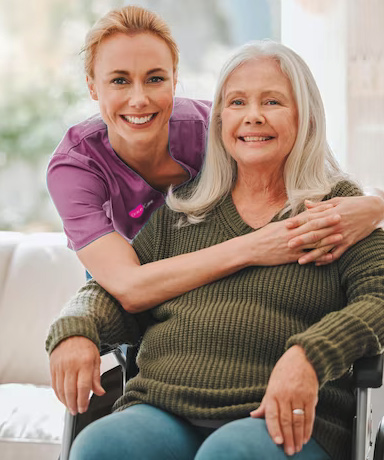
For older adults, disabled people, and their carers, social connection is not a “nice-to-have”—it’s essential. Being part of a community, engaging in social activities, and being respected has a significant impact on mental health, physical health, and general quality of life. But for most Australians in disability or aged care, these opportunities are limited by invisible and tangible barriers.At Grace Care, we understand positive social participation as a guiding philosophy of our individualized support services. From enabling clients to attend local groups to providing transport and aided access to the community, our goal is to enable every client to enjoy meaningful social engagement tailored to their individual needs.Key Definitions
Social Inclusion: Feeling accepted, valued, and having the ability to fully engage in community life.
Community Access: Having the capacity to access public spaces, services, and social opportunities without restriction.
It’s understanding these definitions that is the beginning of creating a supportive setting in which individuals can live well, connect, and sustain their independence.
The True Cost of Isolation: Research & Real-World Impact
Social isolation is not just loneliness—it can have severe health implications. Research indicates that prolonged social isolation has an association with elevated rates of depression, anxiety, and cognitive impairment. In fact, certain studies compare the health risks associated with isolation to smoking up to a few cigarettes on a daily basis, demanding the need for instant intervention in social activities of significance.
The Emotional Gap
Loneliness comes with a high price, particularly for older individuals and those who are disabled. Without continued social contact, people become more stressed, less self-assured, and feel overlooked. Emotional well-being is irrevocably tied to being active in community life, so activity is a key driver of wellbeing.
The Practical Gap
Depriving someone of access to community does not just damage mental health—it limits choices in the outside world. Excluded individuals can miss out on education, employment, or leisure pursuits that develop skills, independence, and personal fulfillment. Even simple everyday tasks, like visiting a café in the area, meeting a club, or attending a gym session, can be daunting without proper support.
Why This Matters
In aged care and disability services, having an understanding of the price of loneliness makes the action for action necessary. Social inclusion isn’t a nice-to-have add-on—it’s an integral component of whole-of-life care and sustained wellbeing.
Physical & Social Barriers to Community Access (And How to Overcome Them)
Though essential, community access isn’t always straightforward. For most Australians, there are obstacles to complete engagement, ranging from physical barriers to social prejudice.
Physical Barriers
Inaccessible public transport or broken ramps.
Fermoxy buildings or lack of lift/s or wheelchair access.
Lack of adapted facilities for recreational or leisure pursuits.
Social Barriers
Stigma or unconscious prejudice against ageing or disability.
Unawareness by staff at community sites.
Exclusion due to restricted social network or peer group.
Systemic & Financial Barriers
Complex and lengthy funding applications, e.g. NDIS forms, can exclude timely access to support.
Undue cost of community pursuits or specialist equipment.
Limited numbers of trained supporting staff to enable participation.
Actionable Examples
A person in a wheelchair cannot access a local library as the doors lack a ramp.
Old people with mobility issues can be excluded from group activity due to lack of transport facilities.
Past bad experience or social shyness keeps some people away even when buildings are accessible.
Overcoming these barriers includes a balance of day-to-day support, community planning that is open to all, and custom-designed services responding to individual needs. We consider the benefits of social inclusion and how all can be enabled to participate in every part of community life in the future.
Maximising Well-being: The Core Benefits of Meaningful Engagement
Engagement in social life and utilization of the community has far-reaching implications for both individuals and the community.
Mental & Emotional Health
Ongoing social engagement combats loneliness and results in a sense of belonging. It builds confidence and self-esteem and makes people feel valued and connected. For the elderly and disabled, even minimal social contact—such as going to a neighborhood club or clubbing for a hobby—can significantly enhance emotional well-being.
Physical Health & Independence
Community engagement encourages activity, either via walk groups, leisure pursuits, or social event attendance. Exercise is crucial for general well-being, mobility, and independence, all of which are vital to the maintenance of a high level of living in aged care and disability support environments.
Skills & Personal Growth
Participation offers the potential to gain new skills, explore personal interests, or even get back to work. Volunteering, community involvement, and leisure groups can make people active, rendering them purposeful and contented.
Community Cohesion
Inclusion is beneficial for all members of the community. By allowing accessible participation, communities become diverse, empathetic, and bonded, a culture in which all contributions are valued.
Practical Strategies for Promoting Inclusion (Individual, Family, and Community)
Building significant social interaction requires effort on all levels—individual, family, and community.
For Individuals
- Tech-Driven Connection: Make use of online forums, video chats, and readily available apps to stay in contact, especially with mobility issues.
- Interest-Based Hobbies: Get involved in clubs, classes, or groups by similar personal interest, i.e., arts, sport, or book clubs.
- Gradual Participation: Start small social contacts to build confidence and reduce anxiety.
For Families & Carers - Build Routine: Plan ongoing social activities with regularity and reliability for individuals receiving support.
Advocate for Accessibility: Support accessible community facilities and activities. - Encourage Peer Networks: Help individuals make friends with others who share similar interests and experiences.
For the Broader Community & System
- Accessible Infrastructure: Ensure public transport, buildings, and recreation facilities are accessible to individuals with a variety of abilities.
- Awareness & Training: Support inclusion by promoting education and training among staff, volunteers, and community members.
- Inclusive Programs: Design activities that encourage engagement by people of all abilities and ages.
Grace Care’s Approach to Social Support & Community Access (NDIS/Aged Care)
Our social inclusion at Grace Care is built on individualized support, practical solutions, and evidence-based approaches. We are dedicated to helping people gain access to meaningful activity and foster independence, and clarity for families and carers as they work through complicated systems like NDIS.
Personalised Support
Every client is unique in terms of goal and preference. We endeavor to tailor our services to each individual so activities meet individual needs, whether that involves attending a neighborhood art class, becoming part of a social group, or engaging in community activities.
Actionable Support
Transport & Travel Assistance: Our staff provides escorted, accessible transportation to appointments, social outings, and community activities.
Community Connector Role: We actively connect clients with local clubs, volunteering, and interest groups to build enduring social networks.
Funding Guidance: We assist clients in gaining access to government funding programs, including NDIS social participation supports, to enable participation in communities.
Success Story
One client, previously isolated due to mobility problems, was facilitated by Grace Care to join a local weekly walking group. Within months, not only did their mobility and confidence improve, but also friendships were formed which continue to this day, which illustrates the social inclusion turnaround effect.
Good Solutions for Common Social & Access Problems
Even with support, issues do arise. Below are good solutions for common social & access problems:
Challenge: Social Anxiety or Confidence Deficit
Solution: Begin with one-to-one activity or small group. Gradually promote participation through peer support and caring facilitation.
Challenge: Financial Constraints
Solution: Explore free community-arranged activities, volunteer events, or subsidised NDIS-funded social activity.
Challenge: Access to the Appropriate Social Group
Solution: Try lots of different activities based on interests. Utilize networks accessible through support services to identify accessible community resources.
Challenge: Physical or Accessibility Restrictions
Solution: Use adaptive equipment, accessible transport, and mobility-friendly locations. Work with support workers or carers for safe participation.
This practical, problem-solution approach helps individuals and carers to work around obstacles to continue active participation in the community.
Building a Life of Connection and Purpose
Social inclusion and access to community are unalienable rights that support wellbeing, independence, and personal fulfillment. With proper support, hurdles may be overcome, giving rise to significant relationships, skill development, and improved health outcomes.
At Grace Care, we are committed to helping our clients experience these advantages through one-on-one, compassionate care. Whether providing transport to community events, building relationships between our clients and social groups, or aiding families with NDIS social participation funding, we aim to help every individual become involved in community life.
Ready to build real relationships and expand your social interaction? Call Grace Care today and discover a personalized solution that meets your unique goals and lifestyle.