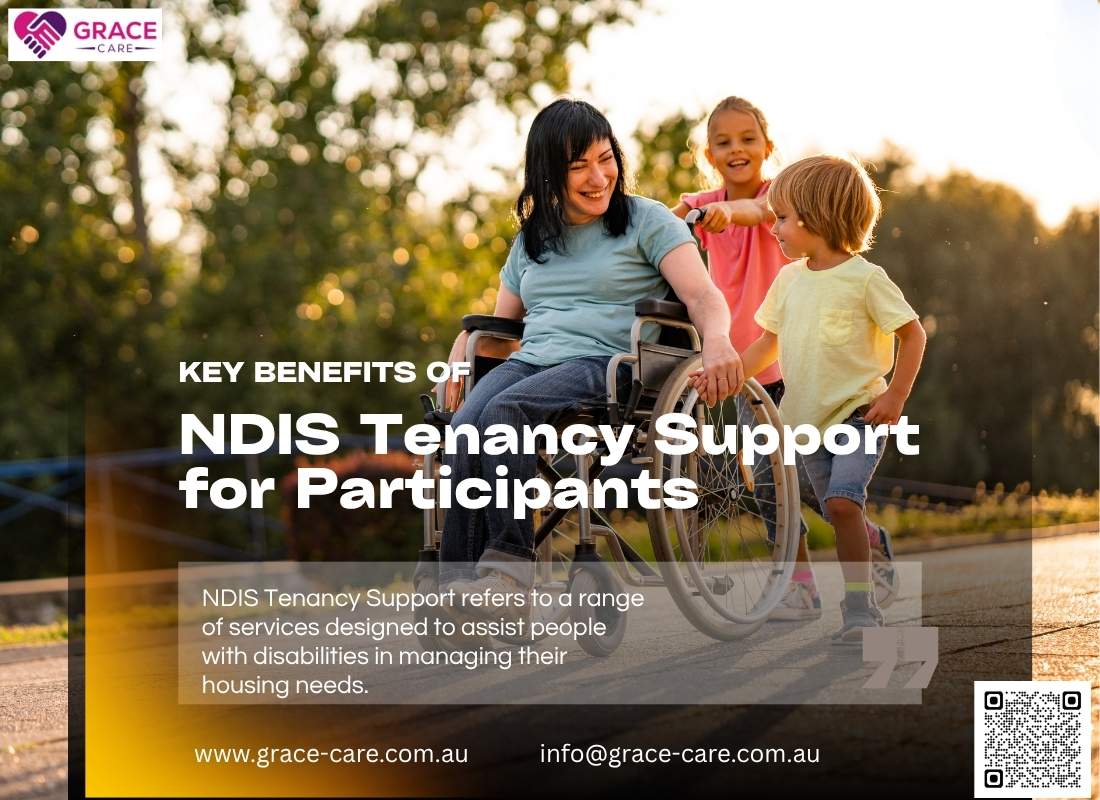
The world of housing can be a challenge for any person to deal with, especially those with disabilities. That’s where NDIS Tenancy Support comes in. The aim of this blog is to address the importance of NDIS Tenancy Support and the way in which it assists participants in securing stable and suitable housing. We’ll examine the services it provides and why these services are crucial to maintaining long-term independence, stability, and peace of mind for people with disabilities. This blog provides key insights into why tenancy support is crucial for individuals using the National Disability Insurance Scheme, whether you are an NDIS participant, a caregiver, or simply interested in the benefits of these services.
What is NDIS Tenancy Support?
NDIS Tenancy Support is a specialist service to support individuals with disabilities to manage their housing requirements. The core focus of tenancy support is to ensure that NDIS participants can secure and maintain suitable accommodation while empowering them with the knowledge and resources to understand their rights and responsibilities as tenants.
This service encompasses all aspects, from assisting participants in applying for rental properties and understanding lease agreements to providing assistance with housing-related disputes. It also includes advocacy to ensure participants are treated fairly by landlords and property managers. NDIS Tenancy Support is personalized to every individual’s specific needs to ensure independent and comfortable living in a home suitable for their lifestyle and requirements.
Why This Topic Matters
While a house is a basic need for all individuals, finding appropriate accommodation under the NDIS can be quite complex for participants. Having access to NDIS Tenancy Support goes beyond having a roof overhead; it offers a sense of safety and stability, which is crucial for emotional and mental well-being.
The support relieves participants from stress and allows them to live independently without the tensions of unstable housing or misunderstandings with landlords. With the proper support, people with disabilities have the same opportunities as anyone else to live in safe, accessible housing that meets their individual needs. Tenancy support ensures participants not only live independently but are also empowered to manage and maintain their housing without unnecessary barriers.
Understanding NDIS Tenancy Support
NDIS Tenancy Support is comprehensive, catering to any needs one may have while running a tenancy or looking for housing. Key services include:
Tenancy Rights
Participants are aided in understanding their legal rights and responsibilities as tenants, including fair treatment, rent increases, eviction, and dispute resolution.
Rental Application and Lease Agreement Support
Participants receive help in preparing rental applications, understanding lease agreements, and liaising with landlords or agents when necessary.
Housing-Related Issue Assistance
Support is provided to resolve issues such as noisy neighbors, repair requests, or rent concerns using effective communication and mediation.
Advocacy and Mediation
Tenancy support acts as an advocate or mediator between tenants and landlords to ensure fairness and legal compliance, especially for participants who cannot self-advocate.
Who Can Benefit from NDIS Tenancy Support?
NDIS Tenancy Support assists people with disabilities in securing and maintaining appropriate housing. It is particularly valuable for participants who struggle to access the private housing market, understand tenancy laws, or advocate for their housing needs.
This includes participants with physical disabilities requiring accessible housing, or those with intellectual or mental health disabilities who face communication and negotiation challenges. NDIS Tenancy Support ensures participants receive the necessary support and resources to manage their housing and maintain independence.
Key Benefits of NDIS Tenancy Support
1. Increased Housing Stability
Stable housing enhances emotional and mental well-being. Tenancy support prevents displacement and stress by addressing issues early, avoiding eviction, and helping participants secure housing suited to their needs.
Example: A wheelchair user may face challenges securing accessible housing. With tenancy support, they are guided to suitable properties, and landlords negotiate necessary modifications.
2. Improved Understanding of Tenancy Rights and Responsibilities
Participants gain knowledge of their legal rights, empowering them to advocate for themselves and avoid exploitation. This knowledge increases confidence and self-reliance.
3. Better Access to Safe and Accessible Housing
Tenancy support helps participants navigate the housing market, identify properties that meet their needs, and negotiate modifications like ramps or accessible bathrooms to ensure comfort and safety.
4. Personalized & Customized Support
Support is tailored to each participant’s goals and needs. Individualized support plans are created in collaboration with NDIS coordinators, support workers, and housing providers.
5. Assistance in Conflict Resolution
Tenancy support helps resolve disputes with landlords, neighbors, or property managers through guidance, mediation, and advocacy to ensure fair treatment.
6. Improved Mental and Emotional Well-Being
Access to stable and safe housing reduces stress, promotes security, and positively impacts mental health. Participants gain independence, confidence, and empowerment through tenancy support.
How Grace Care Supports NDIS Tenancy Assistance
Overview of Services
Grace Care provides personalized NDIS Tenancy Support tailored to participants’ goals. Services include rental application assistance, understanding tenancy rights, mediation, and advocacy for home modifications.
Real-Life Examples
- Assisted a participant with mobility issues to secure a wheelchair-accessible apartment, including negotiating modifications like ramps and wider doorways.
- Mediated a dispute with a landlord regarding overdue repairs, ensuring the participant remained comfortably in their home.
Collaboration with Other Providers
Grace Care collaborates with housing organizations, builders, advocacy groups, landlords, and property managers to provide holistic support for participants’ independent living.
Frequently Asked Questions
Who is eligible for NDIS tenancy support?
Eligibility is based on the individual’s NDIS plan and their housing and tenancy management needs.
What kind of housing modifications are covered?
Modifications may include ramps, widened doorways, grab bars, or adjustable countertops to ensure accessibility.
Can tenancy support assist in finding accommodation?
Yes. It helps participants navigate the housing market, secure suitable rentals or modified homes, and liaise with property managers.
How does tenancy support help with disputes?
Disputes are resolved through mediation, advice on tenancy rights, and participant representation, ensuring fair treatment.
Is there a charge for NDIS tenancy support?
Services are usually funded through a participant’s NDIS plan, based on individual needs.
Conclusion
NDIS Tenancy Support ensures housing stability, access to safe and accessible homes, and understanding of tenancy rights. Personalized support empowers people with disabilities to confidently maintain housing, reduce stress, and improve mental well-being.
At Grace Care, we provide comprehensive NDIS Tenancy Support to help participants achieve housing stability. Our experienced team works closely with each individual to meet their housing needs, enabling independent and dignified living.
Contact Grace Care today to access NDIS tenancy support and ensure you find and maintain the home that is right for you.