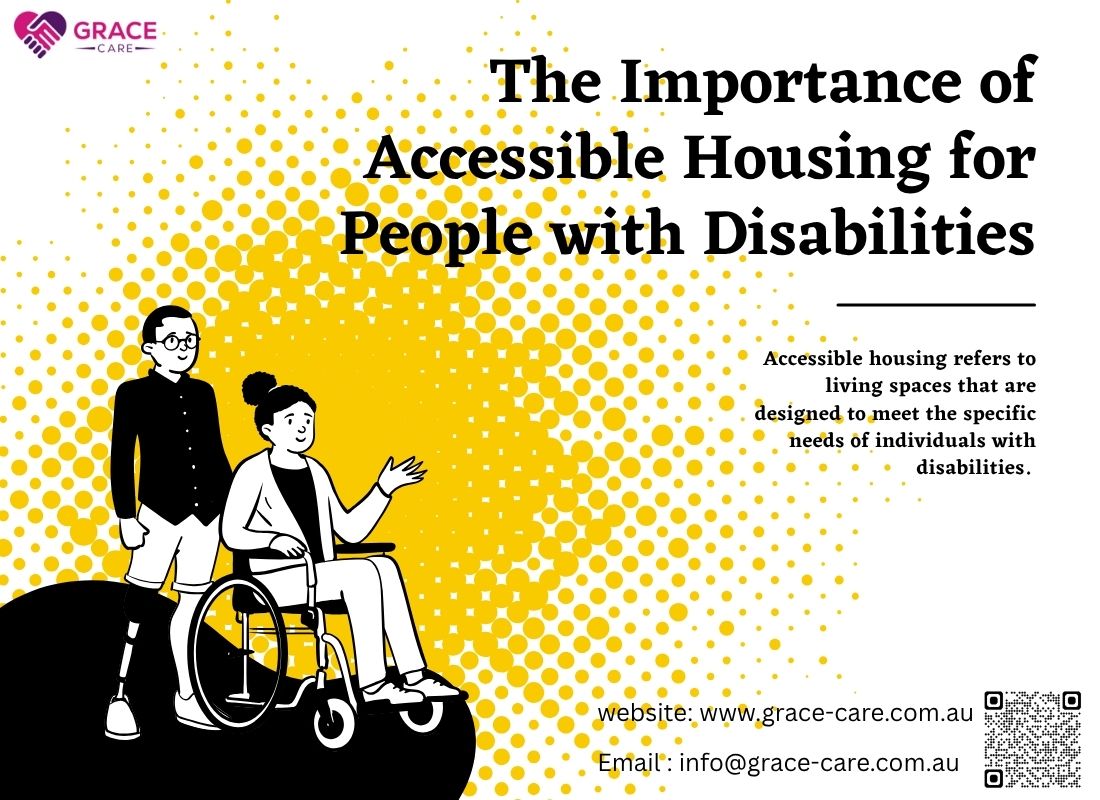
Accessible housing is about assuring that people with disabilities can live independently, fully, and with dignity. A home can make a world of difference for people with disabilities in daily routines, comfort, and well-being. Accessible housing should be more than just adapting the environment for ease of use; it should empower individuals to live without constant challenges from physical barriers or the lack of essential support mechanisms.
This type of housing provides essential features that allow individuals to navigate their home with ease and confidence. For those with physical or sensory disabilities, accessible housing transforms their environment into a space that enables them to live safely and comfortably. Beyond physical comfort, accessible housing has emotional and social benefits as well, fostering inclusion and reducing feelings of isolation. By addressing both practical and emotional needs, accessible housing plays a central role in enhancing the quality of life for people with disabilities.
What is Accessible Housing?
Accessible housing is a residence designed to accommodate the particular needs of persons with disabilities. These homes are either built or modified to address the safety and independence of individuals with mobility, sensory, or cognitive impairments. Accessible housing could include ramps for wheelchair access, wider doorways for ease of movement, and bathrooms with supportive systems like grab bars or low sinks.
Barrier-free living for persons with disabilities is about creating a safe, functional, and welcoming environment. It’s about designing spaces that minimize obstacles and provide individuals the tools they need to live life to the fullest without constantly relying on external help.
Why is Accessible Housing Important?
Accessible housing is more than a matter of convenience; it’s a basic need. Its importance extends across multiple areas:
- Physical Well-being: For people with mobility issues, an accessible home minimizes injury risk by removing common barriers such as stairs, narrow hallways, and inaccessible bathrooms.
- Emotional Well-being: Homes that meet a person’s needs enhance emotional and mental health, fostering autonomy, self-worth, and pride.
- Social Well-being: Accessible homes support social inclusion, allowing individuals to host visitors, participate in family gatherings, and engage in community events without barriers.
Challenges in Finding Suitable Housing
Physical Barriers in Traditional Housing
Many traditional homes were not built with accessibility in mind, presenting significant obstacles such as:
- Stairs: Limit access for those with mobility problems.
- Narrow Doorways: Prevent passage for wheelchairs or walkers.
- Lack of Wheelchair Access: Absence of ramps or elevators creates major difficulties.
Social and Emotional Issues
Inaccessible housing can affect emotional and social well-being:
- Isolation: Limited mobility restricts participation in social activities, increasing loneliness.
- Frustration and Dependency: Constant barriers can reduce self-esteem and increase reliance on others.
Financial Barriers
Modifying a home to meet accessibility standards is often expensive. Financial stress adds complexity, especially for individuals on limited incomes. Accessing support or funding is critical but not always easy.
Key Benefits of Accessible Housing
Increased Autonomy
Accessible housing enables independent living, allowing individuals to manage tasks like cooking, cleaning, and bathing without constant assistance. This fosters dignity, self-reliance, and quality of life.
Improved Safety and Comfort
Accessibility features like wider hallways, ramps, non-slip floors, and modified bathrooms reduce accidents and improve comfort. Tailored designs allow individuals to navigate safely and confidently.
Better Quality of Life
Accessible homes enable fuller participation in family and community life. Appropriate housing improves mental health, stability, and overall life satisfaction.
The Role of Support Coordination
Support coordination services, such as those offered by Grace Care, help individuals navigate accessible housing options. Coordinators assist in understanding needs, finding suitable homes, and accessing resources and funding, including NDIS support.
Personalized Assistance
Grace Care works directly with clients to identify and modify homes according to individual needs. This ensures clients have the resources and knowledge to secure a safe and comfortable living environment.
Home Modifications and Construction Support
Grace Care offers home modification services such as installing ramps, widening doorways, bathroom modifications, and making kitchens more accessible. These modifications help clients remain in suitable homes without bearing the full financial and logistical burden.
Common Home Modifications
- Ramps: Ensure safe and easy access for wheelchair users.
- Bathroom Modifications: Grab bars, raised toilets, accessible showers, and wheelchair-friendly sinks.
- Accessible Kitchens: Lowered countertops, widened aisles, and strategically placed appliances.
- Wider Doorways: Facilitate movement between rooms.
- Flooring Changes: Non-slip surfaces and smooth floors enhance safety and mobility.
The Process of Home Modification
Grace Care assesses client needs, creates a personalized plan, secures NDIS or other funding, and coordinates contractors. Clients are kept informed throughout to ensure modifications meet their requirements efficiently and smoothly.
Social Integration and Community Participation
Accessible housing promotes social inclusion by removing physical barriers, enabling people with disabilities to participate in social, cultural, and community activities. It strengthens relationships, builds community ties, and reduces isolation.
Legal and Policy Support
NDIS funding supports home modifications to improve accessibility. Government regulations, such as the Livable Housing Design Guidelines in Australia, set standards to ensure homes are accessible to people with disabilities and those with limited mobility.
FAQs
What are the most common modifications needed for accessible housing?
Ramps, wider doorways, retrofitted bathrooms, barrier-free kitchens, non-slip flooring.
How can Grace Care help with accessible housing?
Complete support coordination, identifying housing options, assisting with NDIS funding, and ensuring accessibility.
What financial assistance is available?
NDIS funding helps cover costs for modifications to enable independence.
How can accessible housing improve mental health?
Promotes independence, reduces isolation, and enhances confidence and control over one’s environment.
Is there a waiting list for accessible housing?
Sometimes, depending on demand and location. Grace Care guides clients through the application process.
Conclusion
Accessible housing is essential for people with disabilities to live independently, safely, and with dignity. By removing barriers and providing home modifications, individuals can achieve greater autonomy, safety, and quality of life. Services like Grace Care assist in finding and modifying homes, ensuring that housing meets the unique needs of each person. For support with housing, home modifications, or support coordination, contact Grace Care today to create a safe, comfortable, and empowering living environment.